
|
|
CCLEAN Home |
| Program Objectives | Program Design | Documents | Calendar | Program Participants |
Special Studies |
||
Advanced science to protect beneficial uses
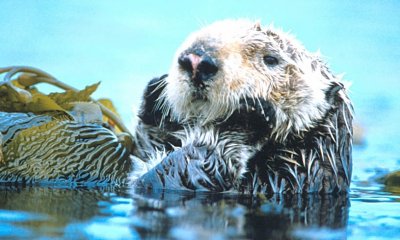
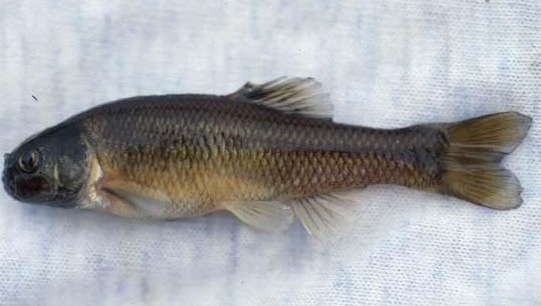
Prop 50 Grant to CCLEAN In cooperation with the University of California, Davis (UCD) and the California Department of Fish and Game (CDF&G), CCLEAN was recently awarded a grant from the California State Water Resources Control Board to measure concentrations of fecal pathogens and pathogen indicator bacteria in streams and rivers along the central California Coast. These monthly samples will be used to test several methods of microbial source tracking, which will be compared to archived fecal samples from several species of domestical and wild animals in the coastal area. Quarterly paired water and mussel samples will collected from sight locations and tested for fecal pathogens and pathogen indicator bacteria to see whether bivalves concentrate pathogens and might transmit them to sea otters. Quarterly samples of influent and effluent from wastewater treatment plants will be tested for concentrations of the same fecal pathogens and pathogen indicator bacteria. The project will also include laboratory testing of bench-scale wetlands to help determine which factors are most beneifical for wetland removal of pathogens, and field measurements will be made at the Tembladero Slough experimental wetland. An outreach program will be developed to communicate project results to stakeholders. Emerging Contaminants of Concern In the 2006-2007 program year, CCLEAN began an effort tomeasure emerging contaminants of concern. In that year, CCLEAN began measuring polybrominated diphenyl ethers (PBDEs) in wastewater, rivers, ocean water and sediment, and mussels. PBDEs are used as flame retardants in clothing, foam upholstery and plastic electronics cases. These compounds are chemically very similar to polychlorinated biphenyls (PCBs) and have similar persistence and toxicities. They have become very pervasive in the environment. Beginning in the 2008-2009 program year, CCLEAN began measuring perfluorinated compounds (PFCs) in wastewater, ocean water and sediment, and mussels. These polymers are widely used in fabrics, carpeting and paper food containers to improve stain resistance and water proofing. They are widespread in the environment and have been shown to be toxic. In the 2009-2010 program year, CCLEAN will implement flow-through bioassays to screen wastewater for endocrine disruption activity, using a modification of a new USEPA protocol for fathead minnows.. |
   |